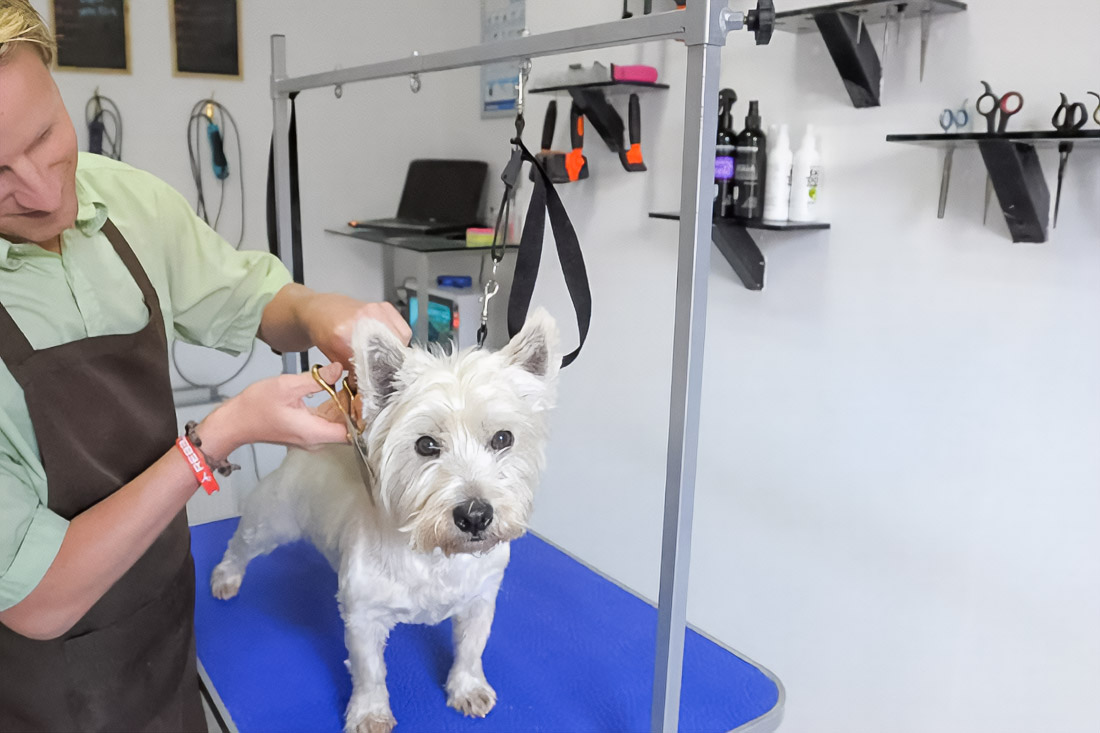
Although it is rarely thought of as a major concern, animal health is frequently influenced by air quality. The temperature, humidity, and general quality of the air all contribute to a pet’s comfort or ongoing suffering. Furthermore, this is not overstated. Relative humidity variations, no matter how slight, can set off a series of issues.
Too dry air, or dry air, acts imperceptibly. Wool loses elasticity. Skin irritation appears. The accumulation of electrostatic discharge increases, especially in rooms with metal surfaces. An animal can literally experience micro shocks when in contact with objects. It’s annoying. It affects the behaviour.
But high humidity is no better. Excessive moisture in the air creates conditions for the growth of bacteria and the development of fungal infections. Areas with dense hair are particularly affected. Wet fur retains moisture, while damp fur becomes an ideal environment for hot spots, yeast overgrowth and ear infections. As a result, the coat condition worsens, and itching, inflammation and an unpleasant odour appear.
Heat, Humidity and Real Temperature
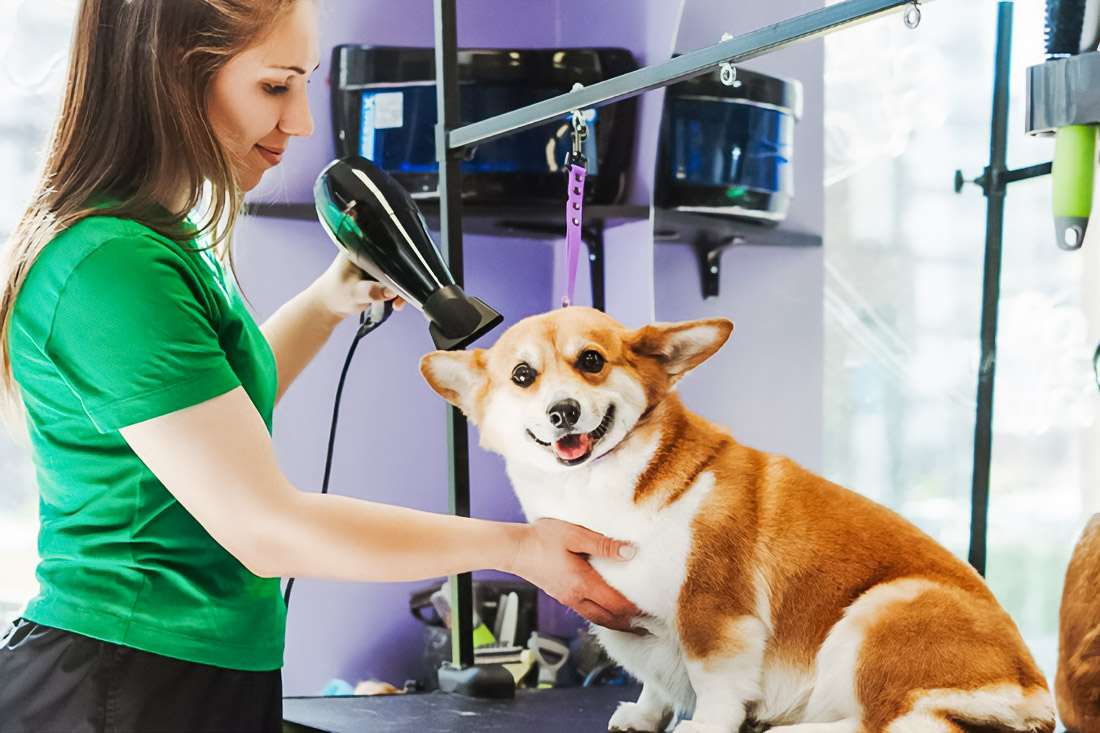
The temperature is misleading in and of itself. The temperature-humidity index, often known as the heat index, should be taken into account. This indication shows how the body interprets the combination of humidity and heat. For example, at 90°F and 70% humidity, the perceived temperature can reach 105°F. It’s already dangerous.
At this level, the risk of heat stroke increases. Moreover, animals suffer faster than humans. They don’t take full advantage of sweating. Their cooling depends on panting, and at high humidity this mechanism works worse. Body heat accumulates. The condition is deteriorating rapidly.
If the heat index reaches 130°F, the probability of heat stroke becomes extremely high. Sometimes a few minutes without a shadow is enough. And this is already critical.
Who is at Risk
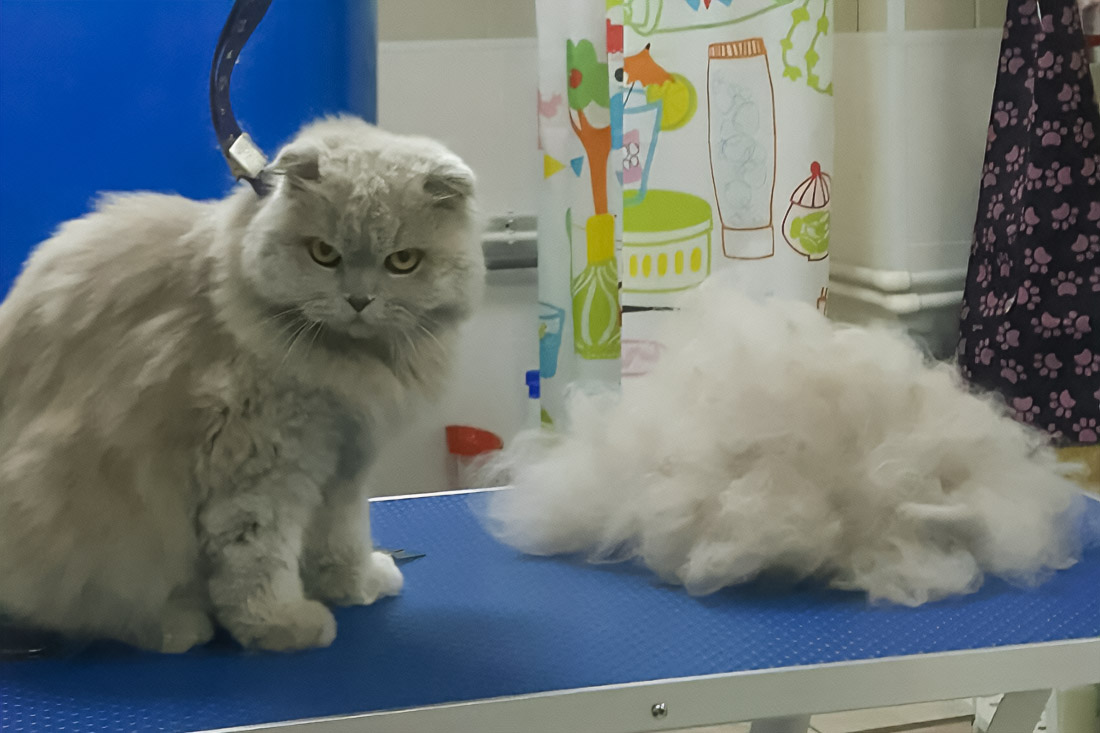
Not all animals react the same way. There are groups for whom heat and humidity are especially dangerous:
- Puppies and kittens for up to 6 months
- Geriatric pets: large dogs over 7 years old, small dogs over 14 years old, cats over 12 years old
- Brachycephalic breeds with airway obstruction problems
- Animals with dehydration, fever or poor circulation
- Overweight pets with a tendency to overexertion
These categories require increased attention. Any deviation in temperature or humidity affects them more strongly.
Your pet’s health and enjoyment can be significantly improved by maintaining equilibrium, paying attention, and providing regular care, including trips to skilled dog groomers in Dubai.
Severe Circumstances and Their Effects
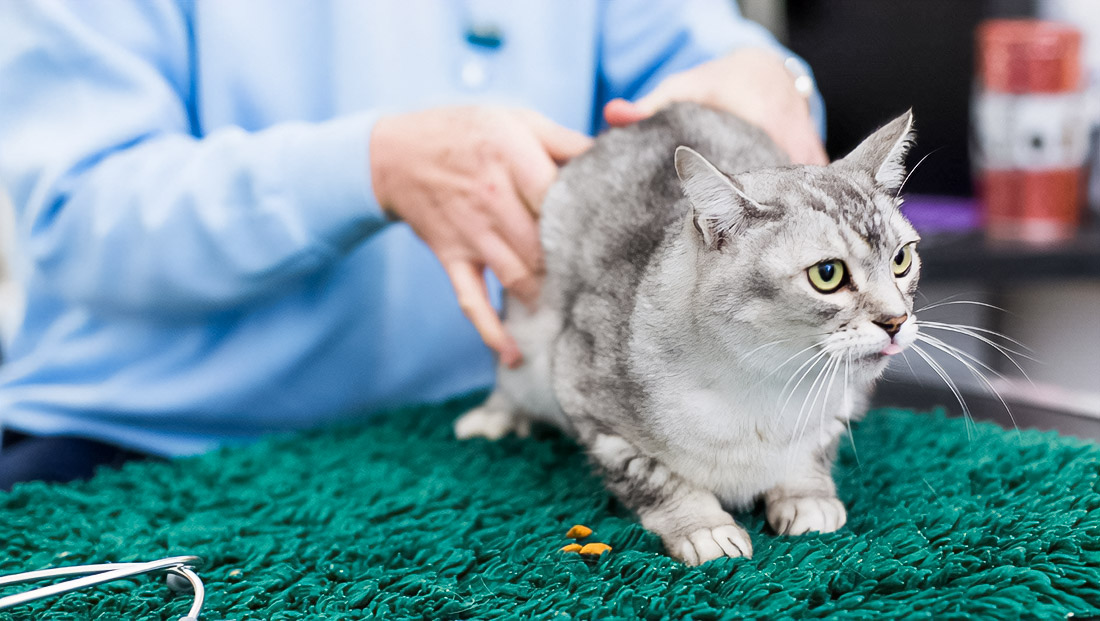
In hot regions, temperatures can exceed 45°C. Humidity often rises above 70%. Surfaces like asphalt or sand are heated to 70°C. It’s not just unpleasant. It’s dangerous.
Burnt paws appear instantly. The paw pad gets damaged in seconds. Add to this dehydration, decreased activity, and the risk of heat exhaustion. The picture becomes obvious.
Even short-term exposure to heat can be dangerous. Sometimes 5 minutes without ventilation or shade is enough for the animal’s condition to deteriorate dramatically.
Wool, Moisture and Care
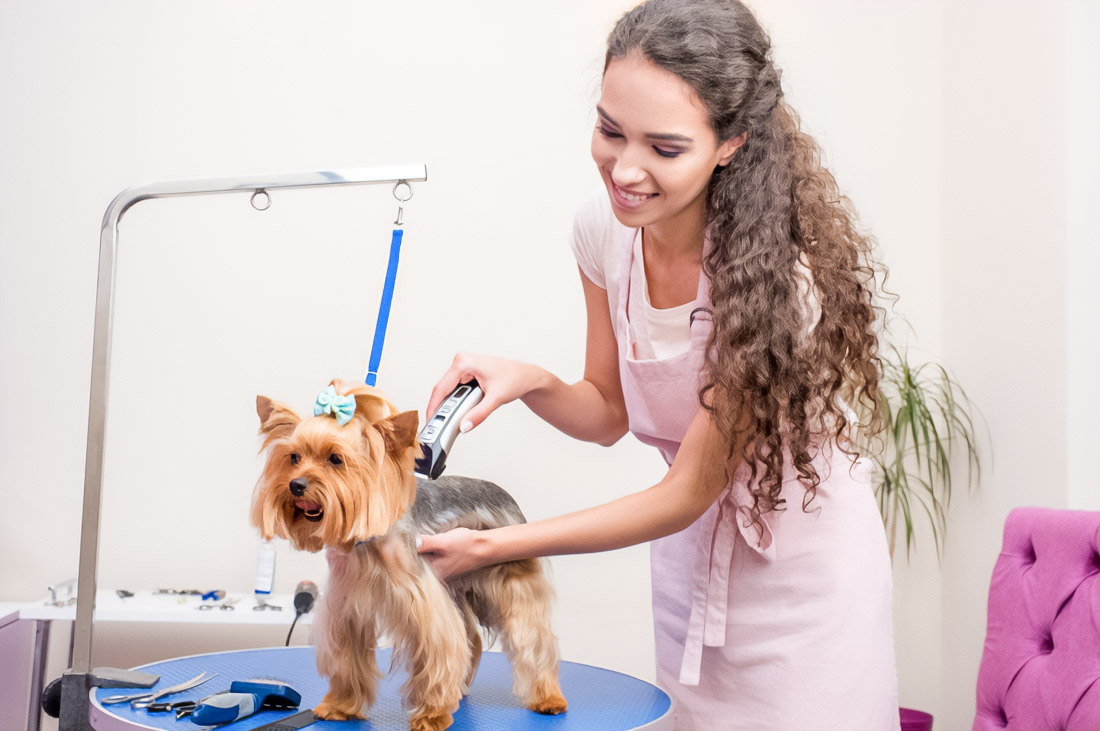
The fur state is directly related to the moisture level. If the wool stays wet for a long time, problems begin. The matting is getting stronger. Tangling is becoming the norm. In long-haired breeds, this leads to worse hygiene and skin inflammation.
Drying a dog after bathing is not just grooming. This is prevention. Dry wool retains body warmth better. She is less susceptible to infections. The risk of fungal infections and hot spots is reduced.
Regular grooming helps to control the condition of the coat. It prevents the accumulation of moisture, reduces the number of allergens and supports the overall wellbeing of the animal. Sometimes it even affects behaviour. The animal becomes calmer. He relaxes.
Veterinary Environment and Microclimate Control
Humidity control plays a special role in veterinary clinics. Not only comfort is important here, but also infection control. Multiple animals in the same space increase the risk of airborne infection.
The right level of humidity helps the following:
- Reduce the concentration of bacteria
- Control allergen spread
- Improve air quality
- Minimize electrostatic discharge
This makes the environment safer. For both animals and humans.
Practice: How to Reduce Risks
Environmental control does not require complex solutions. But it requires consistency.
Important:
- Keep the temperature between 23 and 25°C.
- Provide constant hydration and access to fresh water
- Use ventilation and shaded areas
- Avoid activity from 10:00 A.M. to 5:00 P.M.
- Gradually implement acclimation during climate change
Even at temperatures above 90°F, precautions are already needed for vulnerable animals. And at 100°F, the risk increases significantly.
Humidity and dry air are not just environmental parameters. These are factors that directly affect the health of animals. High humidity increases infections and skin problems. Dry air causes irritation and discomfort. In combination with heat, this can lead to serious consequences.
Balance is important. Control is important. And attention to detail is also important.

Soccer lover, foodie, band member, hand letterer and HTML5 Guru. Operating at the crossroads of beauty and programing to craft an inspiring, compelling and authentic brand narrative. My opinions belong to nobody but myself.